

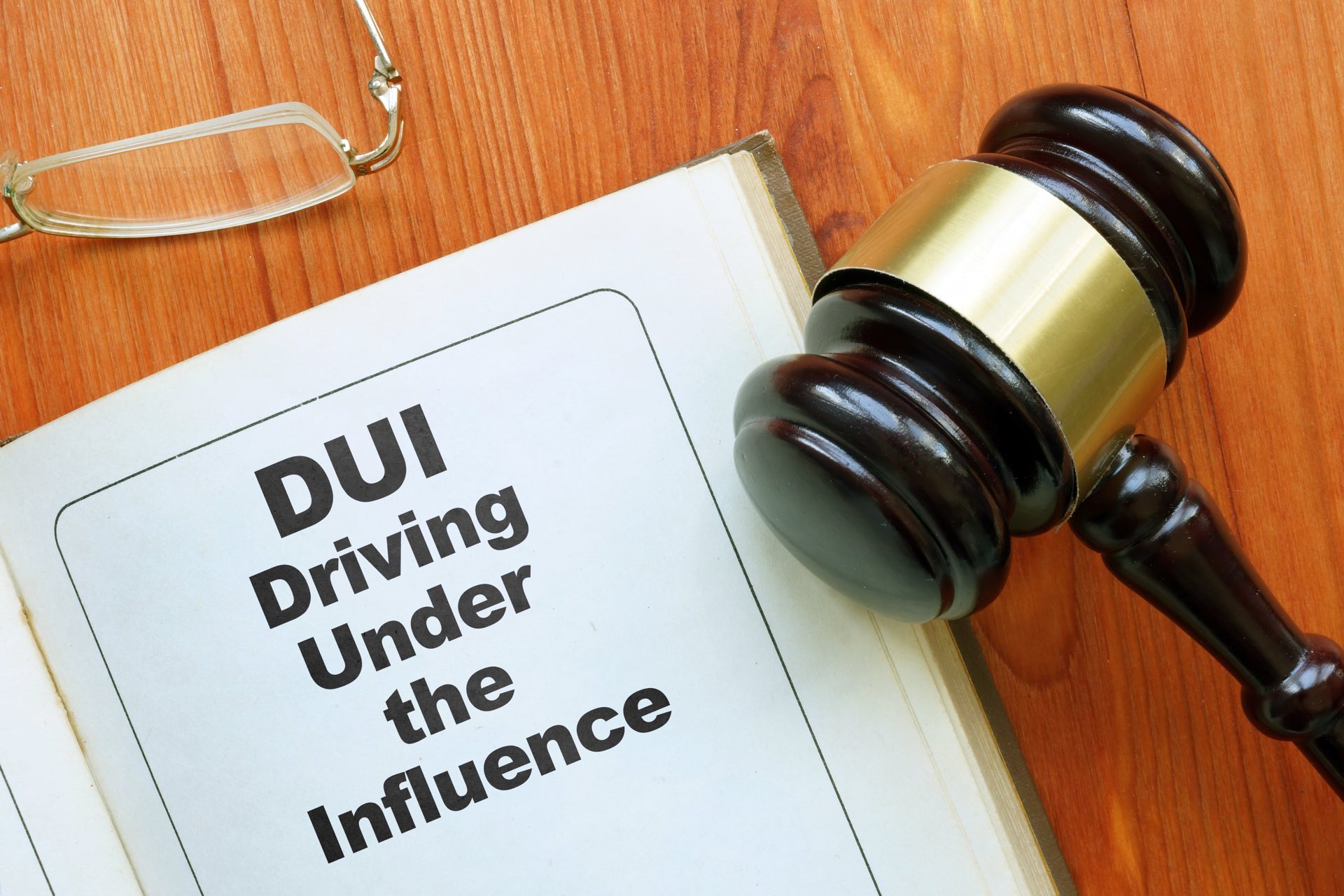
Are you facing the possibility of DUI charges in the state of Connecticut? If this is a situation that you are currently in, it is helpful to understand how DUI evidence is collected in Connecticut. Knowing what evidence police officers look for and how this can influence DUI charges is the first step in understanding what your legal options are.
At Justin C. Pugh & Associates, our DUI defense attorneys in Fairfield County, Connecticut, are committed to protecting the rights of our clients if they are up against possible DUI charges. Keep reading to find out what DUI evidence is used in Connecticut and how police officers build DUI cases.
The Initial Traffic Stop
To understand how a DUI case is created, you first need to understand what police officers look for when making a stop. First of all, Connecticut police officers have the right to pull over motorists if they have reasonable suspicion that a crime has been committed.
For example, a police officer may pull over a vehicle because the driver was driving erratically, was noticeably distracted, or failed to stop at a stop sign. These are all possible justifications for why a police officer would initiate a traffic stop. This is an important part of a DUI case since a police officer cannot lawfully pull over drivers at random without having some type of reasonable suspicion or probable cause.
Officer Observations at the Scene
Generally speaking, police officers are able to collect a certain level of DUI evidence in Connecticut simply through observation. So, if a police officer has reasonable suspicion and pulls a driver over, they can make observations at the scene to determine whether or not a crime is being committed.
Examples of common police officer observations during DUI traffic stops include things like:
- The odor of alcohol
- Difficulty speaking
- Poor coordination
- Inconsistent driver statements
- Evidence of alcohol or drugs in the vehicle
All of this information will usually be documented in the police report, which can later be used in court if you face DUI charges.
Field Sobriety Tests
Anytime a police officer suspects a DUI, they will usually ask you to perform a field sobriety test after pulling you over. It’s important to understand that you have the right to refuse to do a field sobriety test.
There are several field sobriety tests officers can use to determine whether or not a driver is intoxicated or otherwise impaired. This includes finger to nose, walk and turn, heel to toe, memory, and other physical tests.
Many of these tests are subjective, and the results are not always accurate.. For example, certain health conditions can lead to inaccurate test results.
For this reason, you should exercise caution when voluntarily undergoing field sobriety tests. You have the right to decline field sobriety tests, though doing so can expose you to administrative penalties such as fines and/or license suspension. Even if you do agree to a field sobriety test and the results aren’t in your favor, your DUI defense attorney may be able to get this evidence thrown out.
Chemical Testing Evidence
If there is enough probable cause, it is very likely that the police officer will also ask to do a chemical test. Unlike a field test, chemical tests are legally required since Connecticut has an implied consent law. This means that all motorists have automatically submitted to perform a chemical test if requested by a police officer.
So, if you were to refuse this test, you would automatically face legal consequences, such as license suspension.
Unfortunately, these tests play a big part in DUI cases, even though there is a lot of room for error and inaccuracies. For example, the timing of the breathalyzer test can significantly impact the results. Or, the results could be inaccurate if the device hasn’t been maintained or was administered incorrectly by the officer.
Common Defense Strategies For DUI Cases in Connecticut
If you are facing DUI charges in Connecticut, the first thing you need to do is get in touch with a DUI lawyer. An experienced defense attorney can examine the DUI evidence the police officer collected so that they can build a personalized defense strategy.
Here are some common examples of defense strategies for DUI cases that your attorney may be able to use:
- Challenging the legitimacy of the traffic stop.
- Challenging the results of the field sobriety test or chemical test.
- Pointing out inconsistencies in the police officer’s report.
- Proving that there was a violation of your constitutional rights.
Hire an Experienced DUI Attorney Today at Justin C. Pugh & Associates
A DUI traffic stop in Connecticut can come with serious repercussions, especially if the DUI charges stick. The good news is that there are many defense strategies that an attorney can use to help you fight DUI charges in Connecticut so that you get a favorable outcome.
At Justin C. Pugh & Associates, our goal is to provide complete transparency and peace of mind for our clients as they navigate DUI charges in Connecticut. For legal representation from an experienced DUI defense attorney, contact us today at 203-658-6251 or by filling out our online form.
FAQ Section
What evidence do police need to charge someone with a DUI in Connecticut?
The most common evidence includes the police officer’s observations, chemical test results, and field sobriety test results.
Can a DUI case be dismissed due to a lack of evidence?
Yes, it is possible for the charges to be dropped if there isn’t enough evidence proving that you were driving under the influence.
Are field sobriety tests reliable in court?
Not necessarily. Although field sobriety tests are used as evidence in DUI arrests, their reliability is often questioned in court settings.
Can video footage help or hurt a DUI case?
This depends on the situation. Video footage can hurt a DUI case by showing signs of intoxication, such as erratic driving, slurred speech, etc. But video footage could also support your DUI defense if it shows that your rights were violated during the traffic stop or the chemical test was administered incorrectly.
What should I do if I believe my DUI arrest was unlawful?
Contact a DUI defense attorney in Fairfield County as soon as possible so that they can begin working on your defense strategy.