

Probate Litigation Attorney
Key Takeaways
- The probate process in Connecticut usually takes six months to one year to complete.
- Probate involves listing assets, paying debts, and distributing property to beneficiaries.
- Key steps include filing an estate inventory, paying creditors, and settling taxes.
- Legal disputes often arise over contested wills, trusts, or breaches of fiduciary duty.

When a Connecticut resident passes away, their estate typically moves through a formal legal process known as probate. During probate, the Connecticut Probate Court determines whether the decedent left behind a valid will, and if so, appoints an executor to administer the estate according to the terms and wishes expressed in the will. In cases where there is no valid will, the decedent’s property will be handled according to Connecticut law.
Probate usually takes between six months and one year to complete, which can be difficult for grieving family members as they mourn the loss of their loved one. It’s not uncommon for disputes to arise during probate, further complicating and prolonging an already arduous legal process. At Justin C. Pugh & Associates, we believe in serving every client with the attention, empathy, and respect they deserve during this challenging time. We proudly provide exceptional probate litigation attorney services that are customized to address your specific needs and concerns. Whether you are struggling with a probate issue involving a contested will, breach of fiduciary duty, trust disputes, or another related matter, founding attorney Justin Pugh is prepared to help you resolve this issue as effectively and efficiently as possible.
What Happens During the Probate Process in Connecticut?
The Connecticut Probate Court oversees this formal legal process to ensure that the decedent’s estate is executed according to their wishes. In cases where no will or estate planning documents have been left behind, Connecticut state laws will administer the estate. Whether you are preparing for upcoming probate proceedings or you are in the midst of the probate process, it’s worth understanding the key steps that are necessary to conclude the probate process, such as:
- Petitioning the Court to admit the will and appoint the executor
- Collecting the decedent’s property (bank accounts, real estate, etc.)
- Preparing and filing an inventory of the estate
- Paying any outstanding claims owed to creditors
- Preparing and filing tax returns
- Preparing and filing the final accounting report
- Distributing the remaining assets among the named beneficiaries
- Filing the affidavit of closing with the court, which concludes the probate proceedings
If questions arise at any time during the probate process, you can seek the guidance of an experienced and knowledgeable Westport probate attorney to help you move forward.
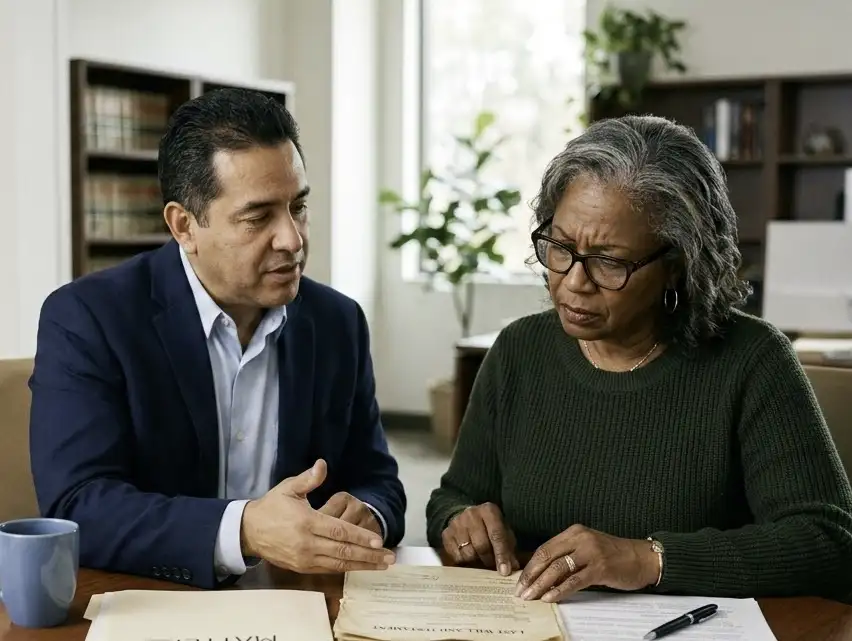
Common Types of Probate Litigation Disputes in Connecticut
Probate is a highly detailed legal process that takes a considerable amount of time, which means there are several issues and concerns that can arise along the way. At Justin C. Pugh & Associates, we handle a wide range of probate litigation cases, some of which are listed below.
Contested Wills
If you are concerned about the validity of the will that the decedent left in place, you can contest or challenge the will. For instance, if you believe that the decedent recently altered the terms of the will under duress or that they lacked the capacity to create the will in the first place, raising these concerns can trigger a close examination of the will’s validity.
Breach of Fiduciary Duty
Trusted individuals, such as the executor of the estate or a trust administrator, are obligated to uphold their fiduciary duty to the decedent’s wishes. Family members who suspect that an executor or trustee is breaching their fiduciary duty in some way (i.e., mismanaging assets, acting in their own self-interest, failing to follow the terms expressed in the will, etc.) can raise these concerns and take the matter to probate litigation in order to achieve a resolution.
Trust Disputes
If the estate includes a trust, this asset must be addressed according to specific rules and considerations. Some probate disputes arise regarding the interpretation of the trust’s terms or the administration of the trust’s assets. Taking the dispute to probate litigation may be the best way to successfully resolve the issue.
Creditor Claims Against the Estate
An important step of the Connecticut probate process is resolving any outstanding creditor claims owed by the decedent. If creditors bring valid claims against the estate, these must be paid before the remaining assets can be distributed among the named beneficiaries per the will’s instructions. Some probate litigation cases arise from creditor claims, so reach out to Justin C. Pugh & Associates to learn more about our services.
Helping You Navigate a Difficult Time
At Justin C. Pugh & Associates, we recognize how challenging the probate process can be, especially while you grieve the loss of your loved one. The last thing you want during this already vulnerable time is to find yourself embroiled in a heated dispute about the estate. You need a legal advocate who treats you as so much more than just a case number. When you enlist our services, you can expect to be treated with the care and attention you deserve during this difficult time. Together, we will identify the best way to resolve your probate dispute and protect your best interests at every opportunity.
Probate Litigation FAQs
Do I need a probate lawyer?
Although you are not required to hire an attorney to represent you during the Connecticut probate process, doing so is highly encouraged in contested cases.
How long does the probate take?
In most cases, probate takes a minimum of 4 to 5 months to complete. The average length of a typical probate case takes 9 months. Contested probate cases often take longer to resolve.
What if no will was left behind?
If someone passes away without a valid will in place, Connecticut laws will oversee the administration of their estate.
What does the executor do during probate?
The executor (whether named in the will or appointed by the Probate Court) oversees the administration of the estate, from compiling a list of assets, paying creditors, and distributing the remaining assets to the named beneficiaries. In other words, the executor’s role is to carry out the decedent’s wishes.
What if a dispute arises during probate?
Several issues can arise during the probate process. It’s worth hiring a skilled Connecticut probate litigation attorney to help you identify the most strategic course of action so that the dispute can be successfully resolved.
Hear From Our Satisifed Clients
Probate Litigation & Other Legal Insights
 August 18, 2026
Can You Refuse a Breath Test in Connecticut and What Happens Next?
Did you refuse to take a breath test in Connecticut after being pulled over for a suspected DUI? If so, here is everything you need to know about Connecticut implied consent law. July 18, 2026
What to Expect at Your First DUI Court Appearance in Fairfield County
Are you nervous about your first DUI court appearance in Fairfield County? If so, here is everything you need to know about what happens before, during, and after your DUI arraignment.- June 18, 2026
How Police Build a DUI Case in Connecticut: Evidence You Should Know About
Were you pulled over for a suspected DUI? If so, here is everything you need to know about what DUI evidence Connecticut police officers collect during traffic stops and how this can impact your case.